




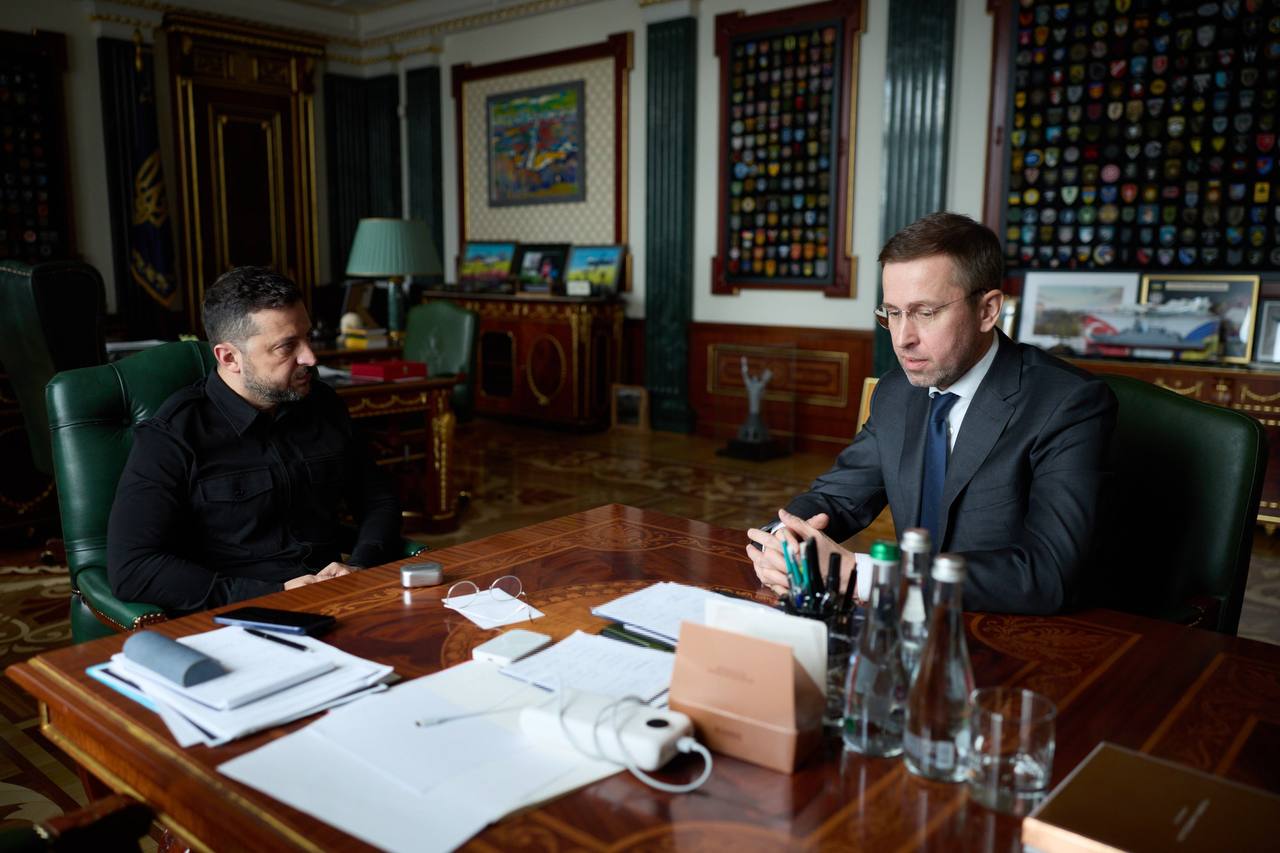
The potential appointment of a successful corporate executive to the position of Prime Minister has sparked intense debate among political analysts and business experts alike. The candidate, described by colleagues as “an ambitious man” with a proven track record in the private sector, faces scrutiny over whether business acumen can effectively translate into governmental leadership. This transition from boardroom to cabinet room raises fundamental questions about the nature of leadership and the skills required to navigate the complex landscape of national politics.
The debate over whether business leaders make effective political leaders is not new. Throughout modern history, numerous countries have experimented with placing corporate executives in top governmental positions, with mixed results. Proponents argue that business experience brings efficiency, results-oriented thinking, and fiscal discipline to government operations. Critics, however, contend that running a country requires a fundamentally different skill set than managing a corporation, particularly when it comes to building political consensus and addressing social welfare concerns.
The Corporate Track Record: Strengths That Could Transfer
The candidate’s impressive corporate resume includes several notable achievements that supporters believe could benefit government administration. Experience in managing large organizations, optimizing budgets, and implementing strategic reforms are skills that ostensibly align with the challenges facing any national cabinet. Corporate leaders often excel at setting clear objectives, measuring outcomes, and holding teams accountable for results—qualities that many argue are sorely needed in governmental bureaucracies.
Furthermore, top executives typically possess strong negotiation skills honed through years of dealing with shareholders, unions, suppliers, and competitors. These abilities could prove valuable when navigating international relations, trade agreements, and domestic political negotiations. The discipline of quarterly reporting and stakeholder management might also bring greater transparency and accountability to government operations. Historical examples of successful business-to-politics transitions, such as certain finance ministers with banking backgrounds, suggest that private sector expertise can indeed enhance public administration when applied thoughtfully.
The Political Learning Curve: Potential Weaknesses
Despite these potential advantages, critics point to significant gaps in the candidate’s profile that could prove problematic. Political leadership requires building coalitions across ideological divides, managing complex stakeholder relationships that extend far beyond profit motives, and addressing issues where success cannot be measured in quarterly earnings. The social contract between government and citizens differs fundamentally from the relationship between a corporation and its customers or shareholders.
Moreover, the pace and nature of decision-making in government often frustrates those accustomed to corporate efficiency. Democratic processes, by design, include checks and balances, public consultations, and legislative procedures that can seem cumbersome to executives used to more streamlined decision-making. The candidate will need to develop patience for political processes while simultaneously demonstrating the decisiveness expected of a Prime Minister. Previous examples of business leaders struggling in political roles often cite frustration with bureaucratic pace and difficulty adapting to the scrutiny and constraints of public office.
Historical Context and Expert Analysis
Political scientists studying the business-to-politics pipeline note that success often depends on the specific context and challenges facing a nation at the time of appointment. During periods requiring economic restructuring or efficiency improvements, business leaders may excel. However, during times demanding social healing, consensus-building, or addressing complex humanitarian challenges, traditional political experience may prove more valuable. The current political and economic climate will therefore play a crucial role in determining whether this particular appointment succeeds.
Analysts also emphasize the importance of the team surrounding any leader making this transition. A Prime Minister with strong business credentials but limited political experience would benefit from deputies and advisors who can navigate the parliamentary landscape and maintain relationships with coalition partners. The ability to delegate appropriately and recognize the limits of one’s own expertise may ultimately determine whether this ambitious man can transform from a successful top manager into an effective head of government.
Expert Opinion: The transition from corporate leadership to prime ministerial responsibility represents one of the most challenging career pivots in public life. While management skills and strategic thinking are transferable assets, the true test will come in the candidate’s ability to adapt to the fundamentally different accountability structures of democratic governance. Success will likely depend not on abandoning business instincts entirely, but rather on developing the political intelligence to know when corporate approaches serve the public interest and when they must yield to the complexities of democratic consensus-building.