



The Ukrainian Cabinet of Ministers has formally requested the National Bank of Ukraine (NBU) to relax the requirements regarding the timeframes within which agricultural producers must return foreign currency earnings to the country. This appeal comes as the agricultural sector faces unprecedented logistical challenges following the suspension of maritime port operations, which has dramatically extended the routes and time needed to export Ukrainian agricultural products to international markets.
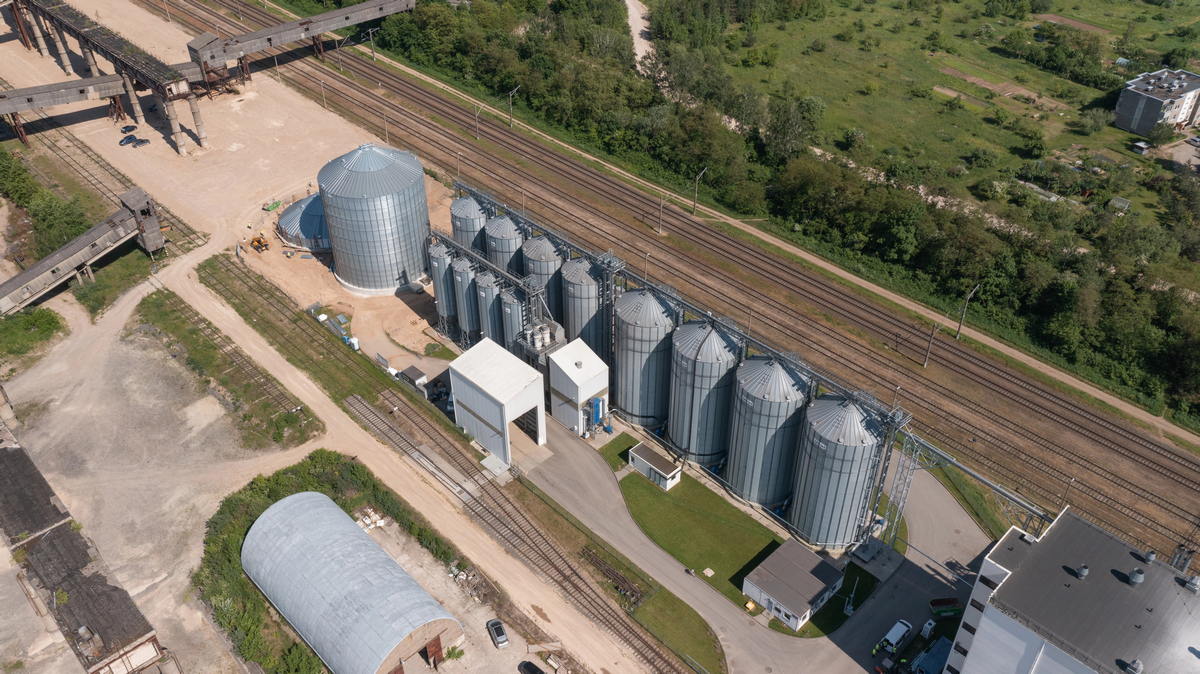
The ongoing conflict has fundamentally disrupted Ukraine’s agricultural export infrastructure, which historically relied heavily on Black Sea ports such as Odesa, Mykolaiv, and Chornomorsk. Before the war, these ports handled approximately 90% of Ukraine’s grain exports, making the country one of the world’s largest suppliers of wheat, corn, sunflower oil, and other agricultural commodities. The suspension of these maritime routes has forced exporters to seek alternative pathways through land corridors, including rail networks to European Union countries, Danube River ports, and border crossings with Poland, Romania, Hungary, and Slovakia.
Logistical Challenges Strain Agricultural Exporters
The shift from sea transport to overland routes has created significant bottlenecks and increased transit times substantially. What once took days via sea shipment now requires weeks or even months through alternative channels. Railway infrastructure faces capacity constraints, border crossings experience lengthy queues, and the overall cost of transportation has increased dramatically. These delays directly impact farmers’ ability to complete export transactions within the standard regulatory timeframes established by the National Bank for foreign currency repatriation.
Under current NBU regulations, Ukrainian businesses must return foreign currency earnings within specific deadlines after completing export operations. These rules are designed to maintain foreign exchange stability and ensure adequate hard currency reserves in the banking system. However, the extraordinary circumstances facing agricultural exporters have made compliance increasingly difficult. Farmers often cannot receive payment until goods reach their final destination, and extended delivery times mean that currency returns are delayed through no fault of the exporters themselves.
Economic Significance of Ukrainian Agriculture
Ukraine’s agricultural sector plays a crucial role not only in the domestic economy but also in global food security. The country is typically among the top five global exporters of wheat and corn and the leading exporter of sunflower oil worldwide. The sector employs millions of Ukrainians and generates substantial foreign currency revenue that is vital for maintaining economic stability during wartime. Agricultural exports have historically contributed significantly to Ukraine’s trade balance and GDP, making the sector’s operational challenges a matter of national economic concern.
The Cabinet’s request to the National Bank reflects a broader recognition that existing financial regulations may need temporary adjustments to accommodate wartime realities. Similar flexibility has been extended to other sectors facing extraordinary circumstances, and industry experts suggest that reasonable accommodations for agricultural exporters could help maintain export volumes while ensuring farmers remain compliant with modified requirements. Financial analysts note that maintaining agricultural export capacity is essential for Ukraine’s foreign currency inflows and overall economic resilience during the ongoing conflict.
Looking Forward: Balancing Regulation and Flexibility
The National Bank of Ukraine will need to carefully balance its monetary policy objectives with the practical realities facing exporters. Any regulatory changes would likely involve extending the permissible timeframes for currency repatriation while maintaining oversight mechanisms to prevent potential abuse. Industry stakeholders are hopeful that a constructive dialogue between the government, the central bank, and agricultural producers will result in workable solutions that support both economic stability and the continued functioning of Ukraine’s vital agricultural export sector. The outcome of this request could set important precedents for how Ukrainian financial regulations adapt to prolonged conflict conditions.
Expert Opinion: The NBU is likely to grant some form of relief given agriculture’s strategic importance to Ukraine’s wartime economy and foreign currency reserves. Expect temporary extensions of repatriation deadlines tied to documented shipping delays, though the central bank will maintain strict reporting requirements to monitor capital flows. This measured approach balances monetary stability with the pragmatic needs of exporters operating under extraordinary logistical constraints.