




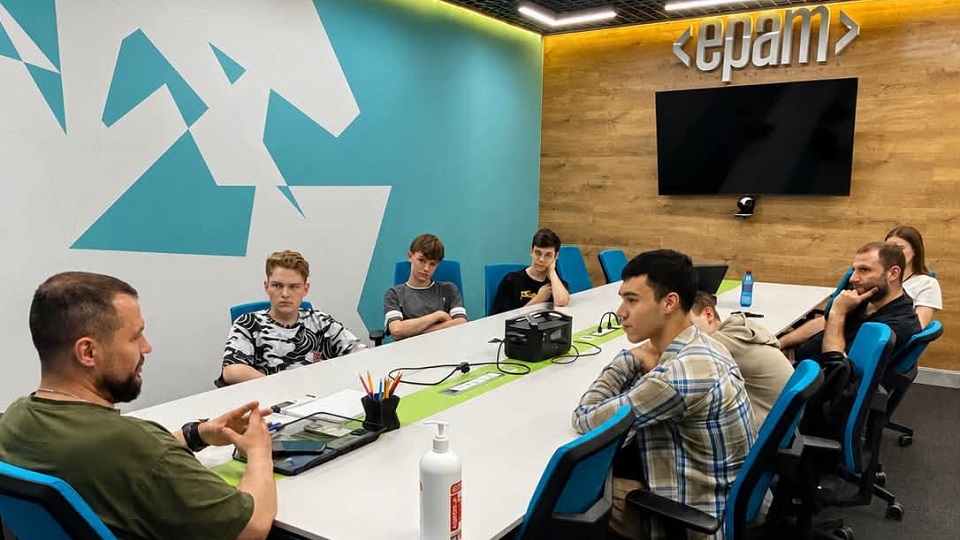
The leadership of EPAM Ukraine has pushed back against increasingly common assertions in the tech industry that artificial intelligence will eliminate the need for entry-level software developers. According to the company’s Ukrainian division head, while AI technologies will fundamentally transform how junior specialists are trained and integrated into the workforce, these emerging professionals will remain essential to the software development ecosystem. This perspective offers a counterpoint to growing fears that generative AI tools like GitHub Copilot, ChatGPT, and other coding assistants will render junior positions unnecessary.
The debate over AI’s impact on entry-level tech jobs has intensified dramatically over the past two years as large language models have demonstrated remarkable capabilities in code generation, debugging, and software architecture suggestions. Several prominent tech executives and investors have publicly suggested that companies may no longer need to hire junior developers when AI can handle basic coding tasks. However, EPAM’s position reflects a more nuanced understanding of how software development teams actually function and the irreplaceable value of human learning and growth within organizations.
The Evolving Role of Junior Developers in an AI-Powered Industry
EPAM, one of the world’s largest software engineering companies with over 55,000 employees globally before recent restructuring, has extensive experience in training and developing junior talent across multiple markets. The company’s Ukrainian operations have historically been among its largest, making their perspective on workforce development particularly relevant. Industry analysts note that while AI tools can accelerate certain tasks, they cannot replicate the creative problem-solving, contextual understanding, and collaborative skills that human developers bring to complex projects.
The transformation in junior developer training that EPAM anticipates likely involves integrating AI tools from the earliest stages of professional development. Rather than eliminating entry-level positions, this approach would create a new generation of developers who are native AI collaborators, capable of leveraging these tools to punch above their experience level while still developing fundamental programming skills. This mirrors historical patterns where each technological advancement—from high-level programming languages to integrated development environments—changed but never eliminated the need for human programmers.
Industry Context and Historical Perspective
The concern about AI displacing junior workers extends beyond software development to various knowledge work sectors. However, historical evidence suggests that technological disruptions typically create new job categories while transforming existing ones rather than simply eliminating positions. The introduction of spreadsheet software, for example, didn’t eliminate accountants but changed what entry-level accounting work looked like. Similarly, AI coding assistants may shift junior developer responsibilities toward higher-level tasks like code review, system design input, and AI output validation.
EPAM’s stance also reflects practical business considerations. Companies need pipelines of developing talent to fill senior positions as experienced developers advance or leave. Organizations that stop hiring juniors would face significant knowledge transfer and succession planning challenges within five to ten years. Moreover, junior developers often bring fresh perspectives, recent academic training, and enthusiasm that contribute to team dynamics and innovation. The Ukrainian tech sector, despite ongoing challenges, continues to produce highly skilled graduates who represent valuable potential employees for global technology companies.
The Path Forward for Aspiring Developers
For individuals entering the software development field, EPAM’s position suggests that adaptability and AI literacy will be crucial skills alongside traditional programming competencies. The most successful junior developers of the coming years will likely be those who can effectively collaborate with AI tools while understanding their limitations and knowing when human judgment is essential. Educational institutions and bootcamps are already beginning to incorporate AI tool proficiency into their curricula, recognizing that tomorrow’s developers need different skills than their predecessors.
The broader tech industry continues to debate these questions, with different companies taking varying approaches to junior hiring. Some startups have indeed reduced entry-level positions, while established enterprises like EPAM maintain that sustainable growth requires continued investment in new talent. As AI capabilities continue to evolve, this debate will likely intensify, but the fundamental need for human creativity, judgment, and the ability to understand complex business requirements seems unlikely to disappear entirely from software development.
Expert Opinion: The long-term viability of junior developer positions will depend on how quickly educational systems adapt to produce AI-augmented graduates rather than traditional programmers. Companies that maintain robust training programs for entry-level talent will likely gain competitive advantages in the 2030s as organizations that eliminated junior hiring find themselves facing critical senior talent shortages. The smart money is on transformation rather than elimination of entry-level tech roles.