


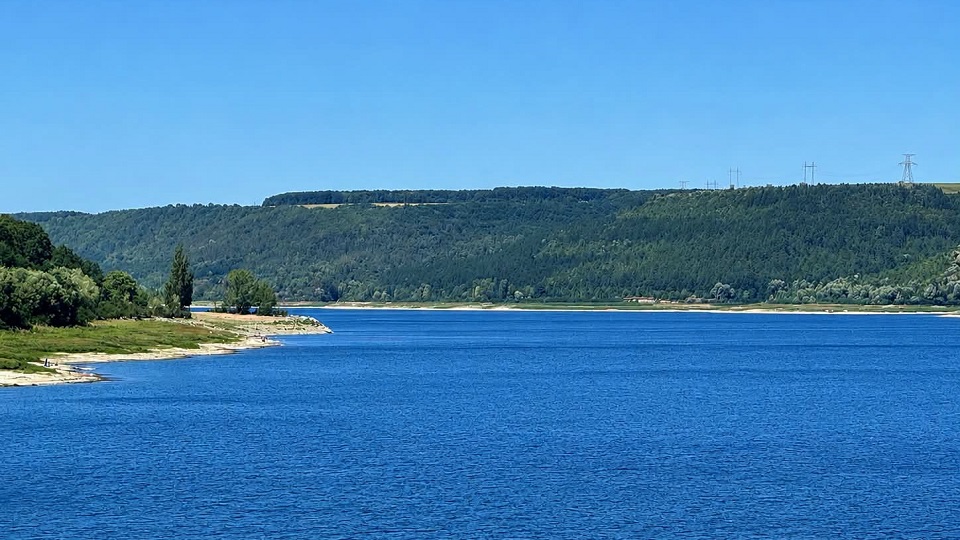
The Dniester Reservoir, one of the largest artificial water bodies in Eastern Europe, has reached an alarming milestone as water levels plummeted to their lowest point ever recorded for late August. Since the beginning of the month, the reservoir’s water level has dropped by an astonishing 76 centimeters (approximately 30 inches), raising serious concerns among environmental experts, water management authorities, and local communities that depend on this vital water source for drinking water, agriculture, and hydroelectric power generation.
Understanding the Dniester Reservoir’s Critical Importance
The Dniester Reservoir, located along the Dniester River that flows through Ukraine and Moldova, serves as a crucial water resource for millions of people in the region. Constructed during the Soviet era, the reservoir spans approximately 204 square kilometers and has a maximum capacity of around 3 billion cubic meters of water. The facility supports the Dniester Hydroelectric Power Station, which provides essential electricity to the surrounding regions, while simultaneously serving as a primary source of drinking water for numerous communities along its banks. The reservoir also plays a vital role in irrigation for agricultural lands, fish farming operations, and recreational activities that support local tourism economies.
The current crisis represents a confluence of factors that have been building over recent years. Climate change has significantly altered precipitation patterns across Eastern Europe, leading to reduced snowfall in the Carpathian Mountains where the Dniester River originates. Spring snowmelt, which traditionally replenishes the reservoir, has become increasingly unpredictable. Additionally, rising temperatures have accelerated evaporation rates, further depleting water resources during the hot summer months. Environmental scientists have been warning for years that the region’s water infrastructure was not designed to withstand the pressures of a changing climate.
Historical Context and Precedent for Water Scarcity
This is not the first time the Dniester basin has faced water stress, but the current situation appears to be unprecedented in its severity for this time of year. Historical records dating back to the reservoir’s construction in the 1980s show that while seasonal fluctuations are normal, the combination of sustained low inflows and high demand has created a perfect storm of water scarcity. In previous decades, the reservoir typically maintained healthy levels throughout August, benefiting from summer thunderstorms and careful management of upstream water releases. The 2023 and 2024 summers, however, have seen a dramatic departure from these historical norms, with consecutive years of below-average rainfall and above-average temperatures compounding the problem.
Regional authorities have begun implementing emergency water conservation measures in response to the crisis. These include restrictions on non-essential water use, reduced allocations for agricultural irrigation, and careful management of hydroelectric power generation to preserve remaining water supplies. Local officials have urged residents to conserve water wherever possible, while emergency planning teams are exploring contingency options should the situation deteriorate further. Cross-border coordination between Ukrainian and Moldovan authorities has intensified, as both nations share responsibility for managing the Dniester’s water resources and face the shared consequences of its depletion.
Looking Ahead: Climate Adaptation and Water Security
Environmental experts emphasize that the current crisis should serve as a wake-up call for long-term water management planning in the region. Investment in modernized infrastructure, improved monitoring systems, and climate-resilient water storage solutions will be essential to prevent future catastrophic shortages. International organizations have offered technical assistance and funding support for water security initiatives, recognizing that transboundary water resources require coordinated, forward-thinking management approaches. As climate change continues to reshape precipitation patterns and increase the frequency of extreme weather events, communities throughout the Dniester basin must prepare for a future where water scarcity may become an increasingly common challenge rather than an exceptional crisis.
Expert Opinion: The historic low water levels at the Dniester Reservoir signal a broader pattern of hydrological stress that will likely intensify across Eastern European river systems in coming decades. Water resource managers must urgently develop adaptive strategies that account for reduced inflows and increased demand, potentially including new storage infrastructure, demand management protocols, and regional cooperation frameworks. Without significant intervention, we can expect such crises to recur with increasing frequency and severity.