



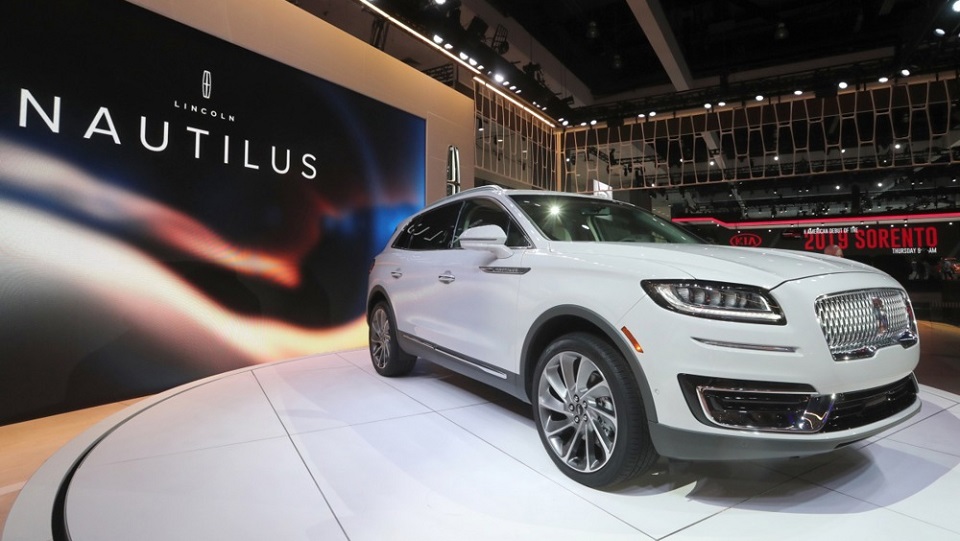
In a significant shift in global automotive manufacturing strategy, Ford Motor Company has announced plans to relocate production of select Lincoln luxury vehicles from China to the United States. The decision comes as a direct response to the steep tariffs imposed on Chinese-manufactured automobiles by the Trump administration, marking another major development in the ongoing trade tensions between the world’s two largest economies. This move represents a dramatic reversal for Ford, which had invested heavily in Chinese manufacturing facilities over the past decade to serve both local and international markets.
The relocation affects several models within Ford’s premium Lincoln brand, which has maintained production facilities in China since 2014. Industry analysts estimate that the tariffs, which can reach as high as 100% on certain Chinese-manufactured vehicles, have fundamentally altered the economic calculus for automakers operating across borders. For Ford, continuing to produce Lincolns in China for the American market has become financially untenable, with the additional costs making these vehicles unable to compete effectively in the luxury segment.
The Tariff Impact on Global Automotive Manufacturing
The Trump administration’s tariff policies have sent shockwaves through the global automotive industry, forcing manufacturers to reconsider supply chains that took decades to establish. The tariffs on Chinese goods, initially implemented as part of a broader trade war strategy, have been particularly punishing for the automotive sector. Vehicles manufactured in China face combined tariff rates that can exceed 100% when factoring in both Section 301 tariffs and additional duties, making importation to the United States economically prohibitive for most manufacturers.
Ford is not alone in facing these challenges. Several major automakers, including General Motors, BMW, and Mercedes-Benz, have all been forced to evaluate their Chinese manufacturing operations in light of the tariff landscape. The ripple effects extend beyond finished vehicles to include parts and components, creating complex logistical challenges throughout the supply chain. Industry experts suggest that these trade barriers are fundamentally reshaping where and how vehicles are built globally.
Lincoln Brand Strategy and Market Positioning
The Lincoln brand holds particular significance for Ford’s premium market strategy. Founded in 1917 and acquired by Ford in 1922, Lincoln has long represented the company’s flagship luxury division. In recent years, Ford invested substantially in expanding Lincoln’s presence in China, viewing the country as essential for growth in the premium segment. Chinese consumers developed a strong appetite for Lincoln vehicles, with models like the Navigator and Aviator proving popular among affluent buyers seeking American luxury alternatives to European competitors.
Moving production back to the United States represents both challenges and opportunities for the Lincoln brand. On one hand, American manufacturing carries higher labor costs compared to Chinese facilities. However, the “Made in America” designation carries significant marketing value, particularly in the luxury segment where buyers often appreciate domestic craftsmanship. Ford executives have indicated that the company will invest in upgrading its American facilities to accommodate the returning production lines, potentially creating thousands of new manufacturing jobs.
Broader Implications for the Auto Industry
This relocation decision reflects a broader trend of reshoring manufacturing operations across multiple industries. Companies that had embraced global supply chains for their cost efficiencies are now reassessing the risks and vulnerabilities of such arrangements. Beyond tariffs, concerns about supply chain disruptions highlighted during the COVID-19 pandemic have accelerated this reconsideration. For the automotive industry specifically, the combination of trade tensions, pandemic lessons, and the transition to electric vehicles has created an unprecedented period of transformation.
Economic analysts predict that Ford’s decision may encourage other manufacturers to follow suit, potentially triggering a significant repatriation of automotive production capacity to North America. However, this transition will not happen overnight. Building and retooling manufacturing facilities requires substantial capital investment and time, meaning that the full effects of these policy-driven shifts may take years to materialize fully. The ultimate impact on vehicle pricing, employment, and industry competitiveness remains a subject of ongoing debate among economists and industry observers alike.
Expert Opinion: The relocation of Lincoln production represents a watershed moment for the American automotive industry, signaling that tariff policies can successfully incentivize domestic manufacturing even in a globalized economy. However, automakers face a delicate balancing act: while reshoring satisfies political imperatives and eliminates tariff exposure, it inevitably increases production costs that may ultimately be passed on to consumers. Expect other premium brands with Chinese manufacturing exposure to announce similar moves within the next 12-18 months as they adapt to the new trade reality.