




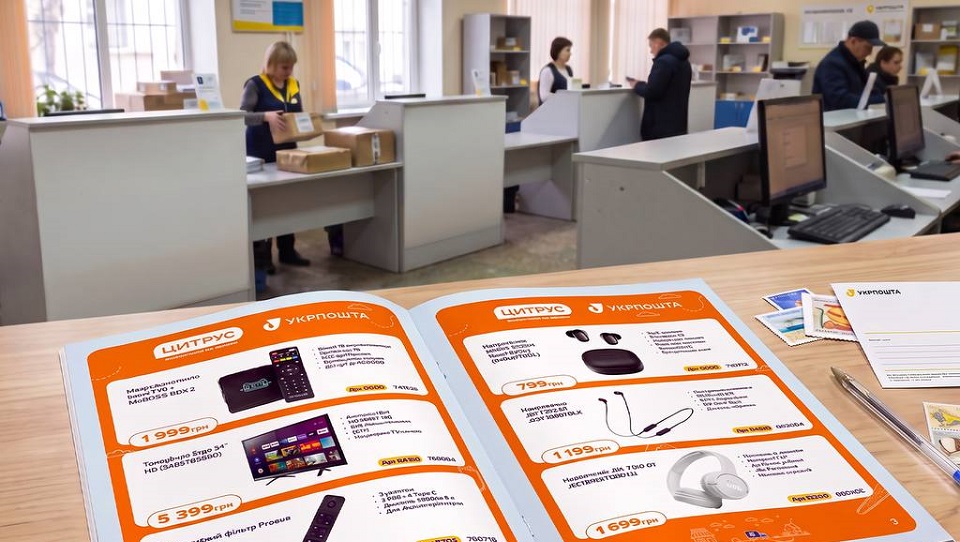
Ukraine’s national postal service, Ukrposhta, has embarked on an innovative pilot project that brings consumer electronics directly to rural communities across the country. In partnership with Citrus, one of Ukraine’s leading electronics retailers, the postal operator has begun selling smartphones, tablets, and other electronic devices through its extensive network of post offices. This strategic initiative aims to bridge the digital divide that has long affected remote areas where traditional electronics stores are scarce or nonexistent.
The collaboration represents a significant shift in how Ukrainians in rural regions access technology products. For decades, residents of small villages and remote communities have faced considerable challenges when purchasing electronics, often having to travel long distances to larger cities or rely on uncertain online ordering systems. By leveraging Ukrposhta’s vast infrastructure of over 11,000 post offices spread across the country, this partnership creates unprecedented accessibility to modern technology for millions of previously underserved citizens.
Strategic Importance for Rural Development
The timing of this initiative carries particular significance given Ukraine’s ongoing efforts to modernize its rural infrastructure and improve digital connectivity across all regions. Rural communities in Ukraine have historically lagged behind urban centers in terms of access to technology and digital services. According to recent statistics, approximately 30% of Ukraine’s population lives in rural areas, yet these regions have seen limited retail development, particularly in the technology sector. The absence of electronics stores in these areas has created what experts describe as a “digital accessibility gap” that affects education, business development, and overall quality of life.
Ukrposhta itself has undergone significant transformation in recent years, evolving from a traditional mail delivery service into a multi-functional platform offering banking services, pension payments, and now retail electronics. This diversification strategy has helped the postal service maintain relevance in an era when traditional mail volumes continue to decline worldwide. The partnership with Citrus represents the latest chapter in this modernization journey, positioning post offices as community hubs rather than simple mail collection points.
Benefits for Both Partners and Consumers
For Citrus, the collaboration opens access to markets that would be economically unfeasible to reach through traditional brick-and-mortar expansion. Establishing dedicated electronics stores in small villages rarely makes financial sense due to limited customer volumes and high operational costs. By utilizing existing postal infrastructure, Citrus can extend its market reach without the substantial capital investment typically required for retail expansion. This partnership model could serve as a template for other retailers looking to penetrate rural markets across Eastern Europe.
Consumers in rural areas stand to benefit significantly from this arrangement. Beyond simple convenience, the availability of electronics through trusted local institutions like post offices provides additional assurance for buyers who may be wary of online purchases or unfamiliar brands. Post office staff can provide basic product information and facilitate warranty claims, adding a layer of customer service that pure e-commerce solutions cannot match. The pilot program reportedly includes popular product categories such as smartphones, tablets, accessories, and small household electronics.
Future Implications and Market Trends
Industry analysts suggest this partnership reflects broader trends in retail evolution, where traditional institutions adapt to serve changing consumer needs. Similar models have proven successful in other countries, particularly in regions with dispersed populations and limited retail infrastructure. In Japan, for instance, convenience stores have long served as pickup points for online orders, while postal services in several European nations have expanded into financial services and retail partnerships. Ukraine’s approach combines elements of these successful models while addressing the specific challenges of its rural landscape.
The pilot project’s success will likely determine whether Ukrposhta expands this program nationwide and potentially partners with additional retailers. If the initiative proves popular, it could fundamentally change how rural Ukrainians access not just electronics but a wide range of consumer goods. For now, both Ukrposhta and Citrus are closely monitoring customer response and sales data to refine their approach before any broader rollout.
Expert Opinion: This partnership signals a significant evolution in Ukraine’s retail landscape and could become a model for emerging markets facing similar rural-urban divides. If successful, we may see Ukrposhta expand partnerships to include additional product categories, effectively transforming post offices into mini-department stores. The key metric to watch will be whether rural consumers embrace in-person electronics purchasing or continue gravitating toward online alternatives despite delivery challenges.