


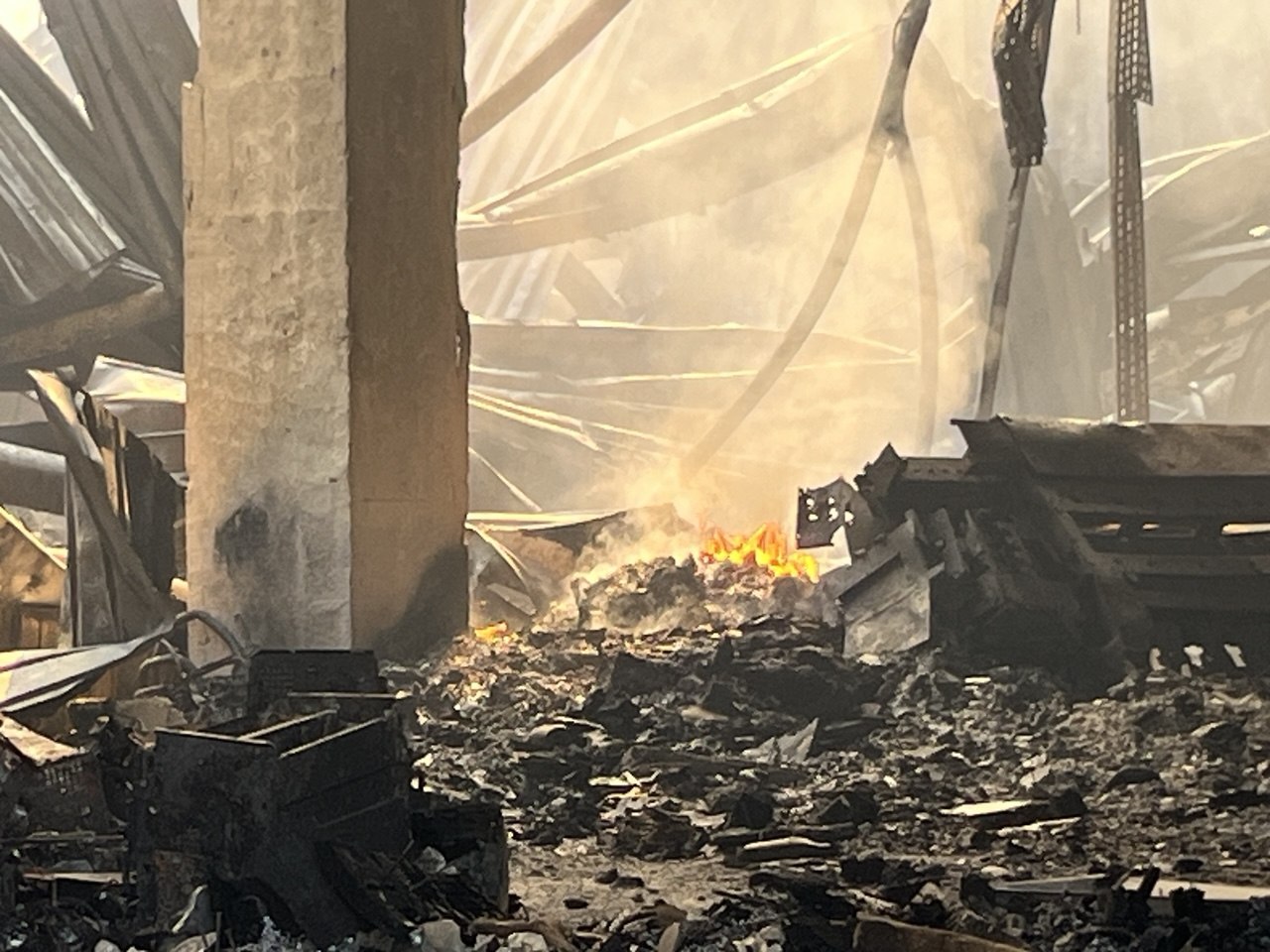
Intertop Ukraine, one of the country’s largest footwear and accessories retailers, has suffered devastating losses following Russian missile and drone attacks on Ukrainian territory. According to company leadership, the retailer has lost approximately 450 million hryvnias (roughly $11 million USD) worth of merchandise, forcing a complete reassessment of its expansion strategy and raising concerns about potential product shortages for Ukrainian consumers. The announcement highlights the ongoing economic toll that Russia’s continued aggression takes on Ukrainian businesses, even those operating far from front lines.
Scale of Destruction and Immediate Impact
The CEO of Intertop Ukraine revealed in a recent interview that the company’s logistics infrastructure suffered direct hits during Russian attacks, resulting in the destruction of massive inventory stockpiles. The 450 million hryvnia loss represents a significant portion of the company’s seasonal merchandise, including footwear, bags, and accessories from numerous international brands that Intertop distributes exclusively in Ukraine. Company representatives acknowledged that this level of destruction will inevitably affect product availability across their retail network in the coming months.
Intertop operates one of Ukraine’s most extensive retail networks in the fashion footwear segment, with stores located in major shopping centers across the country. The company serves as an official retailer for dozens of international brands, making it a crucial link in the supply chain for Ukrainian consumers seeking quality footwear products. The loss of such substantial inventory not only affects the company’s bottom line but also disrupts the broader retail ecosystem that depends on consistent product availability.
Historical Context and Company Background
Founded in the early 1990s, Intertop grew from a small footwear distributor into one of Ukraine’s retail giants, eventually becoming part of the larger Fozzy Group conglomerate owned by Ukrainian businessman Kostiantyn Zhevago. The company weathered numerous economic crises, including the 2008 financial meltdown and the initial Russian aggression in 2014, each time adapting its business model to survive challenging conditions. However, the scale of destruction caused by the full-scale invasion that began in February 2022 presents unprecedented challenges that dwarf previous difficulties.
Since the beginning of Russia’s full-scale invasion, Ukrainian businesses have collectively lost billions of dollars in destroyed assets, disrupted supply chains, and lost market access. The retail sector has been particularly vulnerable, as logistics centers and warehouses often become collateral damage during attacks targeting Ukrainian infrastructure. Industry analysts estimate that Ukraine’s retail sector has contracted by approximately 30-40% since the war began, with many companies struggling to maintain operations amid constant security threats and economic uncertainty.
Future Strategy and Market Adaptation
Despite the significant setback, Intertop’s leadership indicated that the company remains committed to serving Ukrainian consumers, though with necessary adjustments to their operational approach. The CEO acknowledged that temporary product deficits are likely as the company works to rebuild inventory and establish more resilient supply chain solutions. This may include diversifying warehouse locations, increasing insurance coverage, and developing contingency plans for rapid inventory redistribution in case of future attacks.
The company is also exploring partnerships with international logistics providers who specialize in operating within conflict zones, a growing industry that has emerged to support businesses operating in Ukraine. Additionally, Intertop may accelerate its digital transformation efforts, potentially reducing reliance on large centralized warehouses in favor of more distributed inventory management systems. These adaptations reflect broader trends across Ukrainian retail, where businesses are learning to operate under conditions that would be considered impossible in peacetime economies.
Broader Economic Implications
The losses suffered by Intertop reflect a pattern affecting businesses across Ukraine, where civilian economic infrastructure increasingly becomes targets or collateral damage in Russian attacks. Economists note that such destruction creates ripple effects throughout the economy, affecting employment, tax revenues, and consumer confidence. The footwear retail sector alone employs thousands of Ukrainians directly, with many more jobs dependent on the broader supply chain ecosystem. Each major business disruption like this one compounds the economic challenges facing post-war reconstruction efforts.
International business observers have noted that Ukrainian companies demonstrate remarkable resilience in adapting to wartime conditions, often rebuilding operations within weeks of devastating attacks. This resilience, combined with continued consumer demand and international support, suggests that companies like Intertop will likely survive current challenges. However, the cumulative economic damage raises serious questions about the resources needed for Ukraine’s eventual economic recovery and the importance of continued international support for Ukrainian businesses navigating these extraordinary circumstances.
Expert Opinion: The Intertop case exemplifies a critical vulnerability in Ukraine’s wartime economy: concentrated logistics infrastructure remains highly susceptible to targeted or incidental destruction. Moving forward, successful Ukrainian retailers will likely adopt decentralized inventory models similar to those used in other conflict zones, trading operational efficiency for resilience. International investors and insurers should anticipate increased demand for war-risk coverage and distributed supply chain solutions as Ukrainian businesses adapt to protracted conflict conditions.