


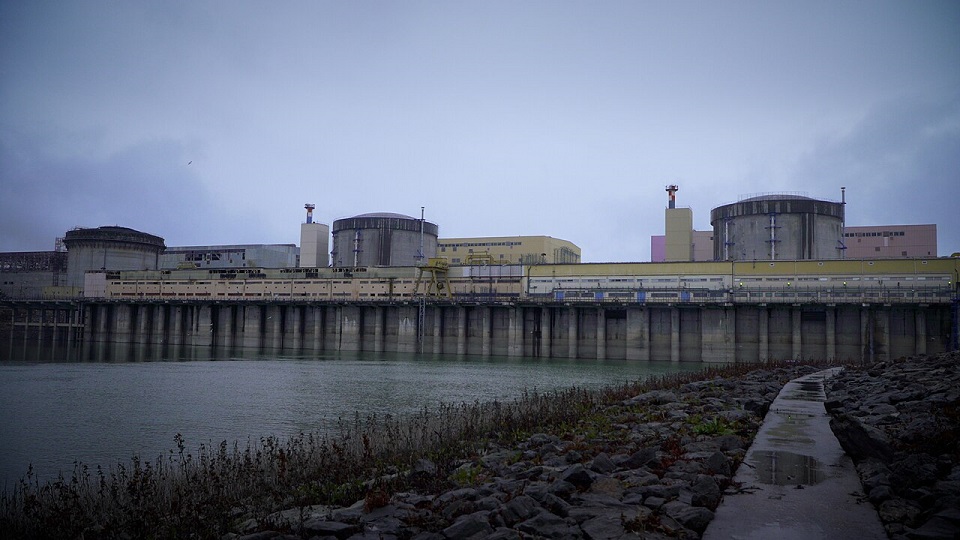
Romania is facing an unprecedented energy crisis as authorities announced the imminent shutdown of both reactors at the Cernavodă Nuclear Power Plant, the country’s sole nuclear facility. The decision comes as the Danube River, which provides essential cooling water for the plant’s operations, has dropped to historically low levels following months of severe drought conditions across Central and Eastern Europe. This emergency measure will strip Romania of more than 1,400 megawatts of nuclear generating capacity, representing approximately 20% of the nation’s total electricity production.
Key Points
- Both CANDU reactors at Cernavodă are shutting down due to insufficient Danube cooling water, removing 1,400 MW from Romania’s grid.
- The shutdown eliminates roughly 20% of Romania’s total electricity generation, forcing reliance on imports and fossil fuel plants.
- Persistent high-pressure systems since early spring have blocked rainfall while above-average temperatures accelerated river evaporation.
- Romania joins France and Germany in experiencing nuclear or coal disruptions linked to water scarcity and extreme heat events.
- Authorities are evaluating emergency imports, alternative cooling systems, and expanded water storage near critical infrastructure.
The situation underscores the growing vulnerability of critical energy infrastructure to climate change-induced weather extremes. Nuclear power plants require massive amounts of water for cooling their reactor cores and steam condensation systems. When water levels drop below safe operational thresholds, plant operators have no choice but to reduce output or shut down entirely to prevent overheating and ensure safety protocols are maintained. The Cernavodă facility, located in southeastern Romania along the Danube-Black Sea Canal, relies heavily on river water drawn from the Danube system.
Danube Water Levels Hit Record Lows Across the Basin
The current drought affecting the Danube River basin is among the most severe recorded in modern history. Water levels at key monitoring stations have fallen to their lowest points in decades, disrupting not only power generation but also commercial shipping, agriculture, and municipal water supplies across multiple countries. The Danube, Europe’s second-longest river after the Volga, flows through or borders ten countries and serves as a vital economic artery for the continent. Climatologists have linked the extreme conditions to persistent high-pressure weather systems that have blocked precipitation across the region since early spring, combined with above-average temperatures that have accelerated evaporation from rivers and reservoirs.
Romania is particularly vulnerable to these conditions due to its heavy reliance on the Cernavodă plant, which has been operational since 1996 when its first CANDU reactor came online. The second reactor was commissioned in 2007, and together they provide baseload power that helps stabilize the national grid. The CANDU (Canada Deuterium Uranium) reactor design used at Cernavodă requires continuous water circulation for safe operation, making drought conditions especially problematic. Romanian energy officials have been monitoring the situation for weeks and had already begun reducing output at the plant before making the difficult decision to proceed with a full shutdown.
Energy Security and Economic Fallout
| Factor | Details |
|---|---|
| Capacity Offline | 1,400+ megawatts |
| Share of National Production | Approximately 20% |
| Reactor 1 Online Since | 1996 |
| Reactor 2 Online Since | 2007 |
| Reactor Type | CANDU (Canada Deuterium Uranium) |
| Primary Cooling Source | Danube River system |
The loss of over 1,400 megawatts of generation capacity will have significant consequences for Romania’s energy security and economy. Nuclear power has historically provided reliable, low-carbon baseload electricity that helps reduce the country’s dependence on imported fossil fuels and volatile natural gas markets. With the reactors offline, Romania will likely need to increase imports from neighboring countries and ramp up production from coal and natural gas plants, potentially driving up electricity prices and carbon emissions. The timing is particularly challenging as European energy markets remain tight following disruptions related to geopolitical tensions and the ongoing transition away from Russian energy supplies.
Energy analysts warn that this incident serves as a stark reminder of the need to diversify power generation sources and invest in climate-resilient infrastructure. Countries across Europe have faced similar challenges in recent years, with French nuclear plants reducing output during heat waves and German coal barges unable to navigate low rivers. The situation highlights the complex interdependencies between water resources, energy systems, and climate patterns that will likely intensify as global temperatures continue to rise. Romanian authorities are working to coordinate emergency power supplies and have urged consumers to conserve electricity during the crisis period.
Adaptation Strategies Under Consideration
The Romanian government has indicated it is exploring both short-term emergency measures and longer-term adaptation strategies to address the vulnerability exposed by this crisis. Options under consideration include expanding water storage capacity near critical infrastructure, investing in alternative cooling technologies for power plants, and accelerating the development of renewable energy sources that do not depend on water availability. Environmental groups have called for the incident to serve as a wake-up call for faster action on climate change mitigation and adaptation across the region. As the Danube basin continues to experience unprecedented stress, the coming weeks will test Romania’s energy resilience and its ability to maintain power supplies for its population of nearly 19 million people.
Climate Vulnerabilities Expose Europe's Nuclear Dependencies
This shutdown reveals a critical blind spot in Europe’s energy security planning: the assumption that nuclear baseload power is immune to environmental disruption. The Cernavodă plant operated reliably for nearly three decades, but its CANDU reactors depend entirely on continuous water circulation. When that water disappears, no amount of fuel reserves or grid management can compensate.
Romania now faces a difficult short-term calculus. Importing electricity from neighbors means competing in already-tight European markets still reeling from reduced Russian gas flows. Ramping up domestic coal and gas plants increases both costs and emissions, undermining climate commitments precisely when extreme weather demands faster action.
The broader pattern is unmistakable. France curtailed nuclear output during recent heat waves. German coal barges sat stranded on shallow rivers. Water-dependent infrastructure across the continent is being stress-tested simultaneously, suggesting that cross-border backup arrangements may offer less resilience than planners assumed.
Watch for accelerated European investment in dry cooling technologies, distributed solar and wind capacity, and strategic water reserves near thermal plants. The next severe drought — increasingly likely within this decade — will test whether these adaptations arrived in time.
Frequently Asked Questions
Why does a nuclear plant need river water to operate?
Nuclear reactors generate intense heat that must be continuously removed to prevent overheating. At Cernavodă, Danube water circulates through cooling systems to absorb this heat and condense steam back into water. Without sufficient flow, operators must reduce output or shut down entirely to maintain safety margins.
How long will the Cernavodă reactors stay offline?
Romanian authorities have not announced a specific timeline. Restart depends on Danube water levels recovering to safe operational thresholds, which requires sustained rainfall across the river basin. Energy officials are monitoring conditions weekly.
Will electricity prices rise in Romania during the shutdown?
Almost certainly. Replacing 20% of national generation with imports and costlier fossil fuel plants typically increases wholesale prices. Romanian authorities have urged consumers to conserve electricity, signaling expectations of tighter supply and higher costs.
Expert Opinion: This crisis demonstrates that even reliable baseload power sources like nuclear are not immune to climate change impacts, fundamentally challenging assumptions about energy security planning. European nations must urgently reassess their critical infrastructure dependencies on natural water systems and develop hybrid cooling solutions or strategic water reserves. We can expect similar incidents to become more frequent across the continent as drought cycles intensify, potentially accelerating investment in water-independent renewable technologies and cross-border grid interconnections.