



Ukraine’s Ministry of Energy has initiated discussions with Canadian authorities regarding a groundbreaking long-term liquefied natural gas (LNG) supply agreement that could span three decades. The proposal, which envisions creating an “energy bridge” between the two nations, represents a significant strategic shift in Ukraine’s energy security policy as the country continues to diversify away from Russian energy dependence while rebuilding its war-damaged infrastructure.
The negotiations come at a critical juncture for Ukraine, which has faced unprecedented challenges to its energy sector since Russia’s full-scale invasion began in February 2022. Russian forces have systematically targeted Ukrainian power plants, substations, and energy infrastructure, causing widespread blackouts and forcing the country to seek alternative energy sources from Western partners. The proposed 30-year agreement with Canada would provide Ukraine with a stable, long-term supply of clean-burning natural gas while strengthening economic ties between the two allied nations.
Strategic Energy Partnership Takes Shape
The concept of an “energy bridge” between Canada and Ukraine encompasses more than simple fuel delivery. Ukrainian energy officials envision a comprehensive partnership that would include infrastructure development, technology transfer, and joint investment in LNG terminals and transportation networks. Canada, as one of the world’s largest natural gas producers, possesses vast reserves in provinces like Alberta and British Columbia, making it an ideal partner for Ukraine’s long-term energy security needs.
Canada’s LNG export capacity has been expanding significantly in recent years, with several major projects under development along its Pacific and Atlantic coasts. The LNG Canada project in Kitimat, British Columbia, represents one of the largest energy investments in Canadian history and is expected to begin exports in the coming years. For Ukraine, securing access to Canadian LNG would not only address immediate energy needs but also position the country as a potential hub for distributing North American natural gas to other European markets.
Historical Context of Ukrainian-Canadian Relations
The energy negotiations build upon decades of strong bilateral relations between Ukraine and Canada. Canada is home to the world’s third-largest Ukrainian diaspora, with approximately 1.4 million Canadians claiming Ukrainian heritage. This cultural connection has translated into consistent political support, with Canada being among the first Western nations to recognize Ukrainian independence in 1991 and one of the most steadfast supporters of Ukraine since the 2014 Russian annexation of Crimea.
Since the 2022 invasion, Canada has provided billions of dollars in military, financial, and humanitarian assistance to Ukraine. The proposed LNG agreement represents a natural evolution of this partnership, combining strategic energy security with economic cooperation. Energy experts note that long-term supply agreements of this nature provide price stability and investment certainty for both parties, making them attractive alternatives to volatile spot market purchases.
Technical and Logistical Considerations
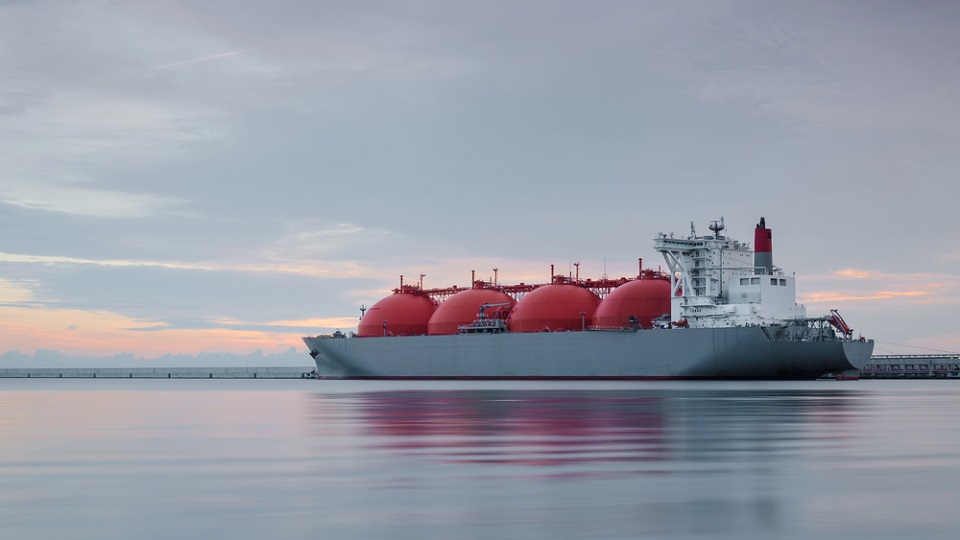
Implementing such an ambitious energy partnership will require significant infrastructure investments on both ends. Ukraine currently lacks dedicated LNG receiving terminals, though the country has been exploring options to access existing facilities in neighboring Poland and other Baltic states. The development of floating storage and regasification units (FSRUs) has been discussed as a faster alternative to building permanent onshore terminals, potentially accelerating Ukraine’s ability to receive LNG imports.
Transportation logistics present another challenge, as LNG shipments from Canada would need to traverse either the Atlantic Ocean to European ports or potentially utilize Arctic shipping routes as they become more accessible due to climate change. Industry analysts suggest that the 30-year timeframe of the proposed agreement would allow for gradual infrastructure development while providing the long-term revenue certainty needed to justify major capital investments by Canadian energy companies.
Implications for European Energy Security
The Ukraine-Canada energy negotiations carry broader implications for European energy security as the continent continues its transition away from Russian fossil fuels. Before the 2022 invasion, Russia supplied approximately 40% of Europe’s natural gas, creating a dependency that Moscow exploited for political leverage. The European Union has since dramatically reduced Russian gas imports, but finding sufficient alternative supplies remains challenging. A robust energy partnership between Canada and Ukraine could contribute to regional supply diversification while supporting Ukraine’s post-war reconstruction efforts and its aspirations for European Union membership.
Expert Opinion: This 30-year LNG agreement framework signals a fundamental restructuring of transatlantic energy relationships, with Canada potentially emerging as a key supplier to Eastern Europe through Ukraine as a transit hub. The deal’s success will ultimately depend on infrastructure financing mechanisms and whether private sector investors can be convinced that Ukraine’s long-term stability justifies the substantial capital requirements. If successful, this model could be replicated with other energy-rich democratic allies, fundamentally reshaping global LNG trade patterns over the coming decades.