




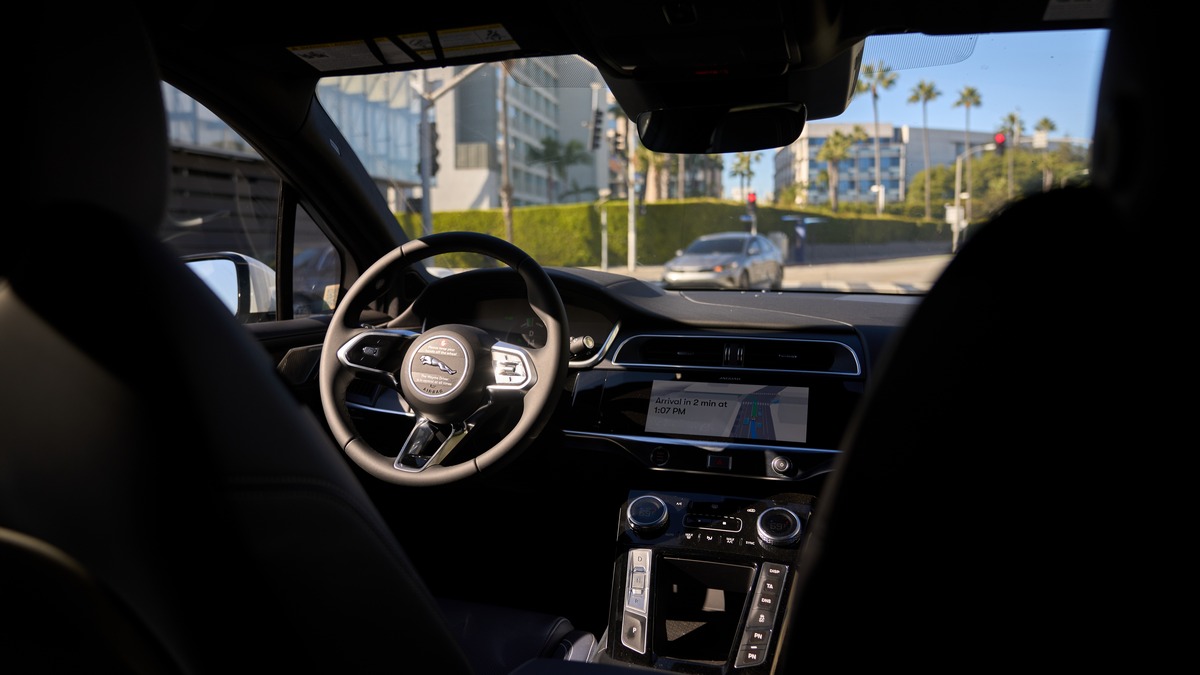
In a significant shift within the autonomous vehicle industry, Waymo, the self-driving technology division of Alphabet (Google’s parent company), has decided to end its partnership with ride-hailing giant Uber, according to a report from the Financial Times. The move signals Waymo’s growing confidence in its ability to operate independently and marks a new chapter in the competitive landscape of driverless transportation services across the United States.
The robotaxi market leader plans to take full control of its operations in American cities where its vehicles currently serve passengers through the Uber platform. This strategic decision reflects Waymo’s assessment that it no longer needs Uber’s extensive customer base and ride-hailing infrastructure to reach potential passengers. The partnership, which began in 2023, allowed Uber users in select markets to request Waymo autonomous vehicles through the familiar Uber app, providing the self-driving company with immediate access to millions of potential customers.
Background of the Waymo-Uber Partnership
The collaboration between Waymo and Uber represented a remarkable turnaround in the relationship between two companies that were once bitter rivals. The partnership came years after Waymo sued Uber in 2017, alleging that a former Waymo engineer had stolen trade secrets related to lidar technology and brought them to Uber’s self-driving division. That lawsuit was settled in 2018 with Uber paying approximately $245 million in equity to Waymo. The subsequent partnership demonstrated how quickly the autonomous vehicle industry could reshape corporate alliances when mutual interests aligned.
Under the partnership agreement, Waymo benefited from Uber’s massive user base and sophisticated demand prediction algorithms, while Uber gained access to what many consider the most advanced autonomous driving technology in the world. For Uber, the arrangement also represented a hedge against the future of transportation, as the company had scaled back its own self-driving ambitions after selling its autonomous vehicle unit to Aurora Innovation in 2020 following a fatal crash involving one of its test vehicles.
Waymo’s Growing Market Dominance
Waymo’s decision to go independent comes at a time when the company has significantly expanded its operational footprint. Currently operating in Phoenix, San Francisco, Los Angeles, and Austin, Waymo has been steadily increasing the number of weekly paid rides its vehicles complete. Reports indicate that Waymo vehicles now provide over 150,000 trips per week across its service areas, demonstrating substantial consumer acceptance of fully autonomous transportation. The company has accumulated more than 20 million miles of autonomous driving on public roads, giving it an unparalleled dataset for improving its artificial intelligence systems.
Industry analysts suggest that Waymo’s move reflects a maturing business model that no longer requires the training wheels of an established ride-hailing platform. By operating independently, Waymo can retain the full fare from each ride rather than sharing revenue with Uber. Additionally, the company gains complete control over the customer experience, from app interface design to pricing strategies and promotional campaigns. This vertical integration allows Waymo to build direct relationships with passengers and gather valuable feedback without intermediaries.
Implications for the Autonomous Vehicle Industry
The dissolution of this partnership carries broader implications for the competitive dynamics of the autonomous vehicle sector. Uber, which has positioned itself as a platform that could aggregate various autonomous vehicle providers, may need to seek new partners to maintain its relevance in the driverless future. Companies like Cruise, backed by General Motors, and emerging players such as Zoox, owned by Amazon, could potentially fill the void left by Waymo’s departure from the Uber platform.
For consumers, Waymo’s independent operation could mean a more streamlined experience with dedicated apps and services tailored specifically for autonomous rides. However, it also fragments the market, potentially requiring passengers to download multiple applications depending on which autonomous service operates in their area. The decision also raises questions about whether other autonomous vehicle companies will follow Waymo’s lead in prioritizing independence over partnership-driven growth strategies.
Expert Opinion: Waymo’s decision to terminate its Uber partnership signals a pivotal maturation point for the autonomous vehicle industry, where leading players now possess sufficient brand recognition and operational scale to compete directly with traditional ride-hailing platforms. This move will likely accelerate consolidation in the robotaxi sector, as smaller autonomous vehicle companies may find partnerships with Uber or Lyft essential for survival while market leaders pursue independent strategies. Expect Waymo to announce aggressive expansion plans within the next 12-18 months as it seeks to capitalize on its first-mover advantage in direct-to-consumer autonomous transportation services.