



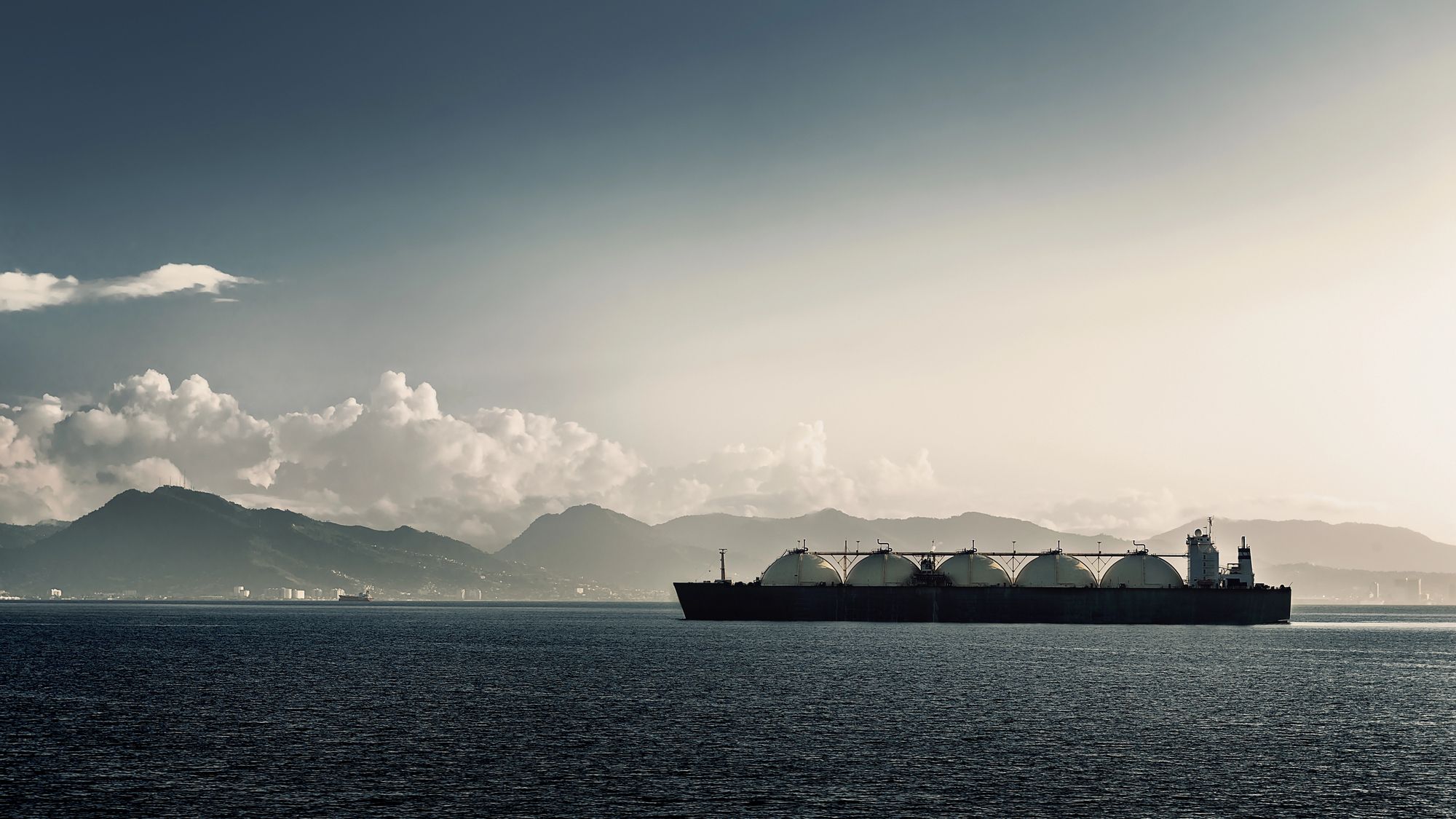
In a significant development for global energy markets, China appears to have received its first shipment of American liquefied natural gas in more than a year. According to Bloomberg reports, the LNG carrier Al Fat’h, which loaded its cargo in Louisiana in June, docked at Yangpu port in southern China on July 16, marking a notable shift in the strained energy trade relationship between the world’s two largest economies.
This delivery comes against the backdrop of an ongoing trade war between Washington and Beijing, which has seen both nations impose substantial tariffs on each other’s goods. The resumption of LNG trade, even on a limited scale, could signal a potential thaw in commercial relations or simply reflect the complex realities of global energy demand that sometimes transcend political tensions.
The Context of US-China Energy Trade Relations
The energy trade relationship between the United States and China has been turbulent since the onset of trade tensions in 2018. China, once positioned to become one of the largest importers of American LNG, dramatically reduced its purchases after imposing retaliatory tariffs on US energy products. At the height of cooperation, industry analysts had projected China could eventually import up to 15% of its LNG needs from American suppliers, a prospect that now seems distant given current geopolitical realities.
The United States has emerged as one of the world’s top LNG exporters, with massive export terminals along the Gulf Coast in states like Louisiana and Texas processing natural gas from prolific shale formations. American LNG exports reached record levels in recent years, with Europe becoming the primary destination following Russia’s invasion of Ukraine in 2022, which fundamentally reshaped global gas flows. This European pivot temporarily reduced the commercial urgency for American exporters to pursue the Chinese market.
Strategic Implications for Global Energy Markets
China remains the world’s largest importer of LNG, a position it has held since 2021 when it surpassed Japan. The country’s voracious appetite for natural gas stems from its ongoing efforts to reduce reliance on coal and improve air quality in major urban centers. Despite the trade tensions with the United States, China has continued to secure long-term LNG supply contracts with suppliers from Qatar, Australia, and other producing nations to meet its growing energy demands.
Industry experts note that the economics of LNG trade can sometimes override political considerations. Spot market prices, shipping costs, and seasonal demand fluctuations create opportunities for opportunistic purchases even between nations engaged in broader economic disputes. The Al Fat’h’s voyage may represent exactly such an instance, where market conditions made American LNG competitive enough to justify the purchase despite existing tariff barriers.
Looking Ahead: Uncertain Future for Bilateral Energy Trade
While this single shipment is noteworthy, analysts caution against interpreting it as a signal of broader normalization in US-China energy relations. The fundamental issues driving the trade conflict remain unresolved, and both nations continue to pursue policies aimed at reducing dependence on each other in strategic sectors. China has been aggressively developing its domestic natural gas production capabilities while also diversifying its import sources across multiple continents.
For American LNG producers, China represents both an enormous potential market and a geopolitical uncertainty. The industry continues to expand export capacity, with several new terminals under construction or in planning stages. However, the volatility of the Chinese market means that long-term investment decisions cannot reliably factor in significant Chinese demand. The recent shipment, while commercially meaningful, does little to address these structural uncertainties that continue to shape strategic planning in the global LNG industry.
Expert Opinion: The resumption of sporadic LNG shipments to China likely reflects short-term market arbitrage rather than any fundamental improvement in bilateral trade relations. However, as global LNG supply tightens and Asian demand continues to grow, economic pragmatism may gradually override political tensions, potentially opening doors for more regular trade flows by 2026-2027. Investors should watch for any signals of tariff relief on energy products as a leading indicator of broader trade normalization.