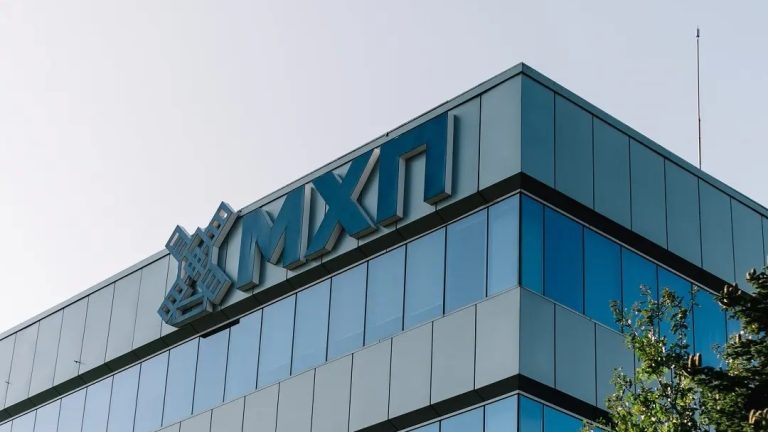




A company that once ranked among Ukraine’s top ten largest enterprises by turnover has been officially declared bankrupt, leaving behind debts totaling 589 million hryvnias (approximately 14.7 million USD). The collapse of this former tobacco distribution giant marks a significant turning point in Ukraine’s commercial landscape, highlighting the volatile nature of industries built on monopolistic practices and the challenges facing businesses operating in heavily regulated sectors.
The Rise and Fall of a Distribution Empire
The bankrupt company previously held a dominant position in Ukraine’s cigarette distribution market, controlling substantial portions of the supply chain that connected tobacco manufacturers with retail outlets across the country. During its peak years, the enterprise processed billions of hryvnias in annual turnover, establishing itself as an indispensable intermediary in the tobacco trade. The company’s logistics network spanned multiple regions, employing hundreds of workers and maintaining extensive warehouse facilities to handle the massive volume of products moving through its system.
The tobacco distribution sector in Ukraine has historically been characterized by intense competition and significant regulatory scrutiny. Companies operating in this space must navigate complex excise tax regulations, licensing requirements, and increasingly strict marketing limitations imposed by public health legislation. The Ukrainian government has progressively tightened controls on tobacco products over the past decade, aligning with World Health Organization recommendations and European Union standards as part of broader integration efforts.
Factors Contributing to the Financial Collapse
Industry analysts point to multiple factors that likely contributed to the company’s downfall. The Ukrainian tobacco market has experienced significant consolidation in recent years, with major international manufacturers increasingly preferring to establish their own distribution networks rather than relying on third-party intermediaries. This vertical integration trend has squeezed traditional distributors, eliminating their competitive advantages and reducing profit margins to unsustainable levels. Additionally, the ongoing conflict and economic instability in Ukraine since 2022 have disrupted supply chains and reduced consumer purchasing power, creating challenging conditions for all businesses operating in non-essential goods sectors.
The accumulated debt of 589 million hryvnias represents obligations to various creditors, potentially including suppliers, financial institutions, employees, and government tax authorities. Under Ukrainian bankruptcy law, the liquidation process will prioritize creditor claims according to established legal hierarchies, with secured creditors and employee wage claims typically receiving preference over unsecured commercial debts. The process can take months or even years to complete, leaving many creditors uncertain about the recovery prospects for their outstanding claims.
Broader Implications for Ukraine’s Business Environment
The bankruptcy of such a prominent company sends ripples throughout Ukraine’s business community, raising questions about corporate governance practices and the sustainability of business models dependent on market dominance. Economic experts note that monopolistic or near-monopolistic positions, while profitable in the short term, can leave companies vulnerable when market conditions shift or regulatory environments change. The case serves as a cautionary tale for Ukrainian enterprises across various sectors, emphasizing the importance of diversification, financial prudence, and adaptability in uncertain economic conditions.
Ukraine’s tobacco market itself continues to evolve, with legal cigarette sales facing pressure from both declining smoking rates among younger generations and persistent problems with illicit trade. Government statistics indicate that contraband tobacco products constitute a significant portion of total consumption, depriving legitimate businesses of revenue and the state of tax income. For distribution companies attempting to operate within legal frameworks, this shadow market represents an existential competitive threat that compounds the challenges posed by regulatory tightening and changing industry dynamics. The bankruptcy proceedings will be closely watched by creditors, competitors, and regulatory authorities as they unfold in the coming months.
Expert Opinion: This bankruptcy signals a broader restructuring of Ukraine’s tobacco distribution sector, where traditional intermediaries are being squeezed out by manufacturer-controlled supply chains and digital commerce solutions. Companies still operating in this space should anticipate continued consolidation and consider pivoting toward value-added services or diversifying into adjacent product categories to remain viable in an increasingly challenging market environment.