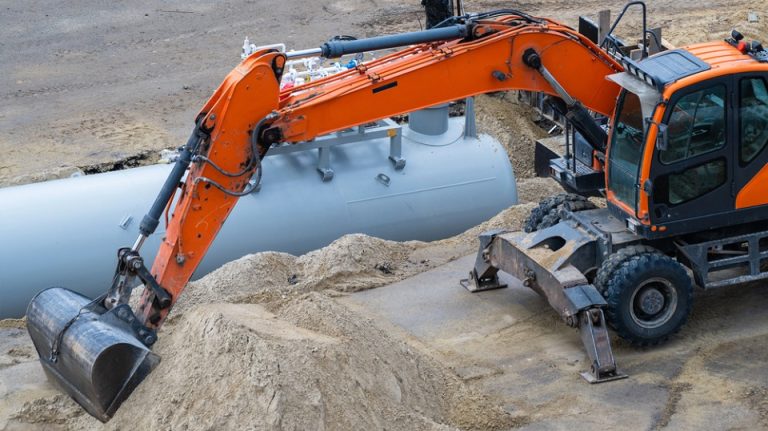




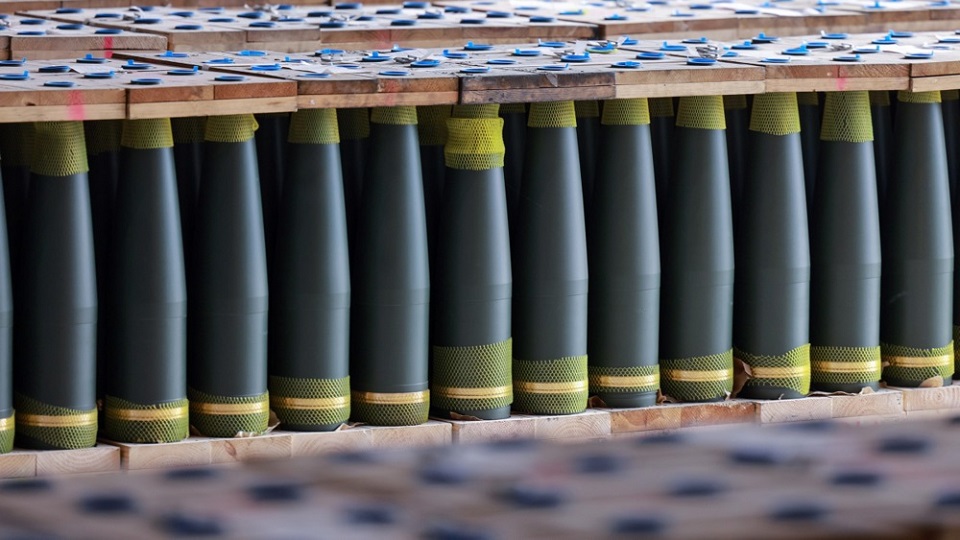
A damning audit from the Pentagon’s Inspector General has revealed that a $469 million ammunition factory in Texas, constructed to bolster America’s defense industrial base, has failed to manufacture a single component for artillery shells despite years of investment and planning. The facility was specifically designed to help replenish depleted stockpiles of 155mm artillery rounds following massive transfers to Ukraine, raising serious questions about the efficiency of defense spending and the nation’s ability to scale up military production during times of crisis.
The revelation comes at a particularly sensitive time, as the United States continues to navigate the complex challenge of supporting Ukraine’s defense needs while maintaining its own military readiness. The 155mm howitzer shell has become one of the most critical munitions in modern warfare, with Ukraine expending thousands of rounds daily during intense combat operations against Russian forces. The failure of this Texas facility to deliver on its promises represents a significant setback in efforts to address what many defense analysts have called a critical vulnerability in American military preparedness.
The Critical Role of 155mm Artillery Shells in Modern Warfare
The 155mm artillery shell has been the workhorse of Western military forces for decades, serving as the standard ammunition for howitzers used by the United States and its NATO allies. These shells can be fired at ranges exceeding 30 kilometers with precision-guided variants achieving remarkable accuracy. Since the outbreak of the Russia-Ukraine conflict in February 2022, the demand for these munitions has skyrocketed to levels not seen since World War II. At the height of combat operations, Ukrainian forces were reportedly firing between 6,000 to 8,000 rounds per day, a consumption rate that quickly exposed the limitations of Western production capacity.
Before the Ukraine conflict, the United States was producing approximately 14,000 155mm shells per month. The Pentagon recognized early that this rate was woefully inadequate and announced ambitious plans to increase production to 100,000 rounds monthly by 2025. The Texas facility was supposed to be a cornerstone of this expansion effort, yet the audit reveals a troubling disconnect between planning and execution that has left a significant gap in the nation’s ammunition production capabilities.
Systemic Failures and Accountability Questions
The Pentagon audit highlights a series of systemic failures that contributed to the facility’s inability to meet its production goals. According to the report, issues ranging from supply chain disruptions to workforce training deficiencies plagued the project from its inception. Defense contractors involved in the project reportedly struggled to secure necessary raw materials and specialized equipment, while bureaucratic delays in approvals further hampered progress. The audit also noted insufficient oversight mechanisms that allowed problems to compound without timely intervention.
This situation is not entirely unprecedented in defense procurement history. The United States has faced similar challenges in scaling up military production during previous conflicts. During the early stages of World War II, for example, American industry required nearly two years to achieve full wartime production capacity. However, critics argue that lessons from history should have informed better planning, particularly given the years of warning about depleted ammunition stockpiles that preceded the Ukraine crisis. Defense experts have long cautioned that the post-Cold War reduction in the defense industrial base would create vulnerabilities that could not be quickly remedied.
Implications for National Security and Future Defense Policy
The implications of this audit extend far beyond a single failed facility. The inability to rapidly scale ammunition production raises fundamental questions about American military readiness in an era of great power competition. With tensions remaining high not only in Europe but also in the Indo-Pacific region, the defense industrial base’s capacity to surge production has become a matter of strategic importance. Pentagon officials have acknowledged that rebuilding this capacity will require sustained investment over many years, along with fundamental reforms to how the Department of Defense manages large-scale procurement projects.
Moving forward, lawmakers on Capitol Hill are expected to scrutinize the Texas facility debacle closely, with calls for greater accountability for defense contractors who fail to meet production targets. Some defense analysts have suggested that the traditional cost-plus contracting model, which guarantees contractor profits regardless of performance, may need to be reformed to incentivize timely delivery. Others have called for diversifying the supplier base and investing in domestic production of critical raw materials to reduce vulnerability to supply chain disruptions that plagued the Texas project.
Expert Opinion: This audit exposes a fundamental weakness in America’s defense industrial mobilization capacity that cannot be fixed overnight. The $469 million investment with zero output suggests systemic procurement and oversight failures that likely extend beyond this single facility. As geopolitical tensions continue to mount globally, the Pentagon must urgently reform its approach to ammunition production or risk finding itself unable to sustain prolonged military operations when they matter most.